Boils
Could have done without the boils.

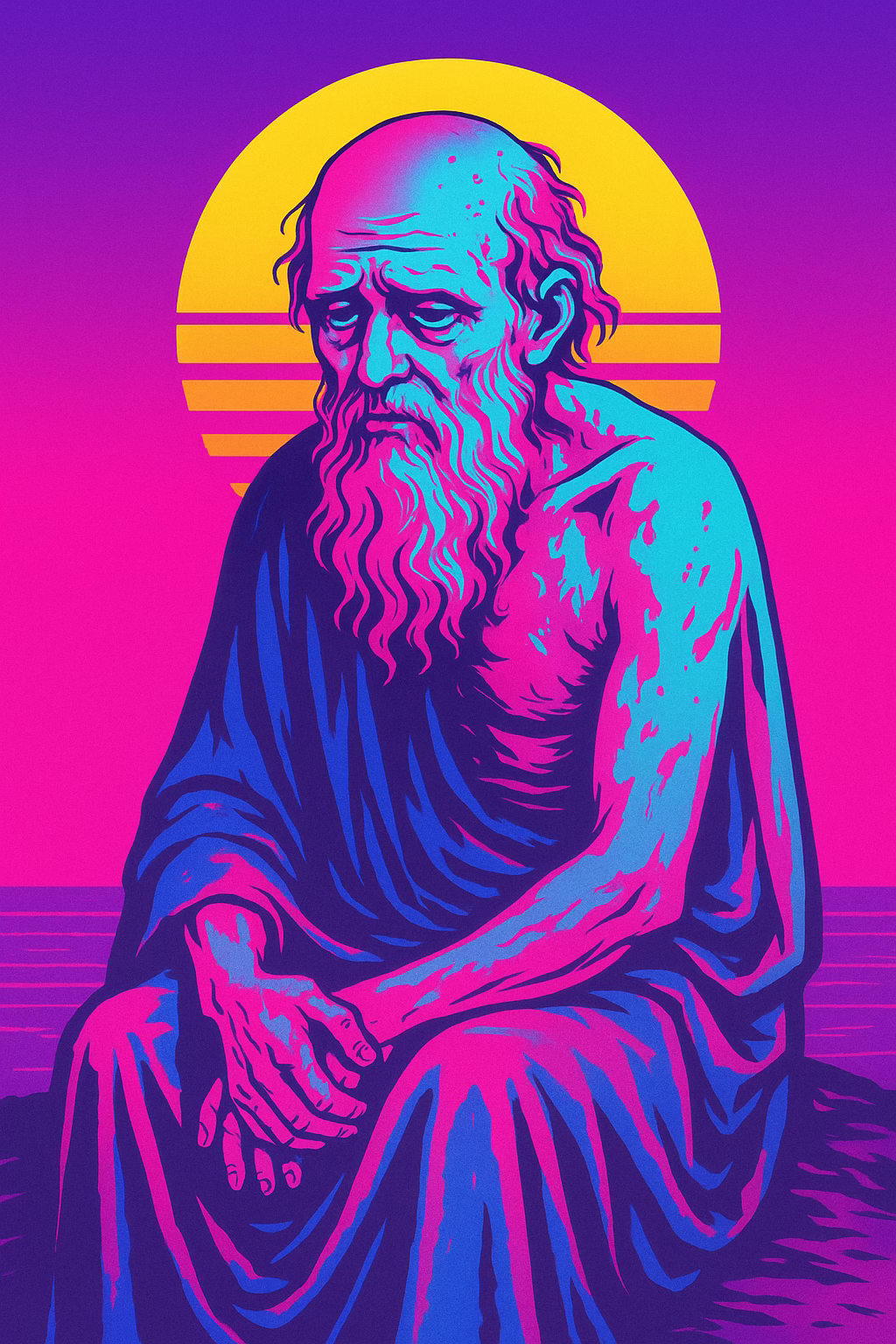
I would have folded like a bad poker hand, there’s no question. I’m a resilient man, too, and I can safely lift up to 40 lbs. like the job descriptions require. I can build a shed, fix a bike, and run at a decent clip in the woods for the better part of an hour. Stories won’t be told of my victories, but they won’t be told of my failures either. That’s the goal: never, for any reason, end up on the nightly news.
But this guy, his story is something like 3000 years old, and here I am still talking about him. I mean it’s a folk tale, but ending up in a folk tale is undoubtedly worse than being on the nightly news.
Ok he’s in Arabia somewhere. This brother owns a ton of land, loads of livestock, has ten kids (not sure if that’s a pro or con but let’s roll with it), is married (again pro/con/roll with it) (I’M KIDDING of course it’s a con), and he’s rich and popular. Come to think of it after listing all that out I’m wondering if that sounds like way too much for a person to handle in the world but I’m already writing so let’s keep plowing the story field.
Off the rip, and I mean we get only a few words of context — no details of the good times, the celebrations, the new jobs, nothing — all of his oxen and donkeys are stolen by these dudes called the Sabeans. Huge bummer. Then, and I’m quoting here, “fire from heaven” burn up his sheep. Fire. From heaven. I’m guessing there was some literary license taken there and that “heaven” was alluding to the skies, but then again Willy Wonka’s Chocolate Factory swallowed up all those chocolate-loving kids so maybe heaven isn’t all it’s been made out to be.
Ok. Then Chaldean raiders pop by unannounced, no invitation. Oxen, donkeys, sheep, camels, poof. As my mom would say, that’s a terrible, awful, no good, very bad day.
That’s enough, right? I mean some guy looked at me funny the other day and I let that nearly ruin my afternoon.
As you can guess because you know story arcs, it gets worse. His 10 kids are all eating together in a house, a wind storm sweeps through, collapsing the house, killing all of them. Of course it’s because I’m squarely in the center of my dad season, but this is the worst part of the story. I can’t even joke about it. Well maybe I can because of that dude had 10 kids then you know there was at least one of them who he was like, “eh” about, probably one of the younger ones that he never called by the right name. “Hey, Juthayma! How’s it going?” “It’s Bill, dad. My name is Bill.” “Right, right. I knew that.”
Ok so Bill and the 9 kids he liked died in a wind storm. No heirs. No legacy. No work force.
Then he gets boils. Who gets boils? This tragedy takes a sharp left into a dark comedy. He has to scrape at the boils with broken pieces of pottery while sitting in ashes as he grieves the loss of his 9 kids and Bill and his livestock. His wife tells him to curse God and die. Literally. That’s what she said. Local youths start to mock him in the street. His former friends avoid him. He’s an outcast. The last thing that happens is that he last three friends, Eliphaz, Bildad, and Zophar, three idiots, show up to comfort him but end up telling him that it all must have somehow been his fault, that he had done something terrible and was getting karma.
He doesn’t curse God and he doesn’t die. I don’t know how but he managed to stay with it. In a philosophical monologue he questions the justice of the universe, claims God is silent, curses the day he was born, and maintains his overall innocence. Seems pretty reasonable and quite remarkable. My response would be, oh I don’t know, worse.
Then in the tale God speaks from the wind. Which, I mean, I think I’d deserve some sort of explanation. The boils in particular seemed needlessly deployed, as if the other disasters didn’t drive the powerlessness home enough.
The explanation, of course, is a non-explanation. An anti-explanation. God, the great source, tells him you’re not in control and you can’t understand the intricacies of the vast universe. The world is wild and free, not revolving around the needs and desires of humans. It’s not a dualistic system, not a 1:1, good for good, bad for bad; it’s an unfathomable flow, both this and that and other.
A few thousand years later a Sufi poet named Hafiz wrote these lines:
“Do not sink into sadness, even if the mysteries of the other world slip past you entirely. There are plays within plays that you cannot see.”
At the end of the story the man’s losses are restored: land, cattle, family. It’s like a button, a narrative way to wrap it up, to bring the listener back from the philosophical to the practical, back to the reality of people listening sitting next to people, warming themselves by the tale.
Like I said, I would have folded, probably when I saw the Sabeans rolling up for my donkeys. Still, I think about this story and I think about Hafiz and I think about the generations of people who have endured unspeakable suffering, somehow maintaining hope, somehow sustaining love, living in the experience and understanding that there are deeper truths at work, rivers flowing beneath rivers and a cosmic current that is inexplicably connected. And I think about my own story and your story, the stories of my friends, all of us in search of meaning and answers and sticking with it in the wind storms as we try to figure out what it means to be a person – not just a person, but a person living in and through and around a force of love in an existence where there are no easy answers.
Joshua, do not sink into sadness, even when the mysteries of the other world slip past you entirely. There are plays within plays that you cannot see.
Josh,
Please continue to share these thoughts and experiences. Your reflections are very meaningful to me. Blessings brother!